
In textile manufacturing, the drying stage is often underestimated—until it starts draining profits. After dyeing, washing, or finishing, textiles need fast, consistent drying to move seamlessly into the next step. When drying is inefficient, mills face soaring energy bills, production bottlenecks, inconsistent quality, and unexpected downtime. Considering that drying accounts for 30–40% of a textile mill’s total energy use, the efficiency of this stage directly determines both cost control and output quality.
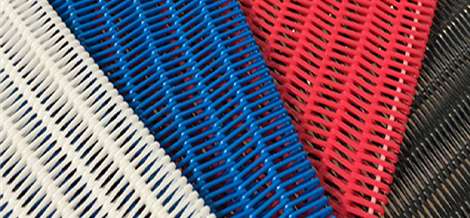
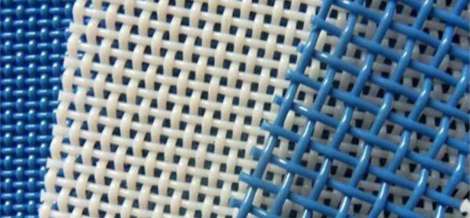
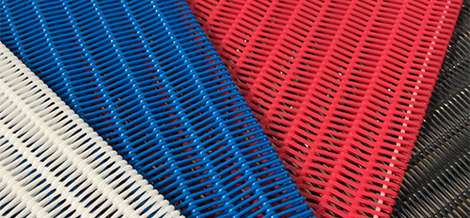
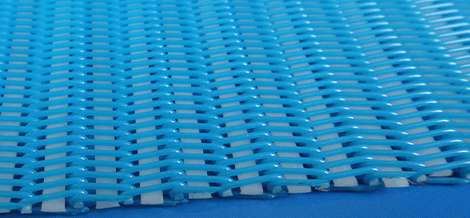
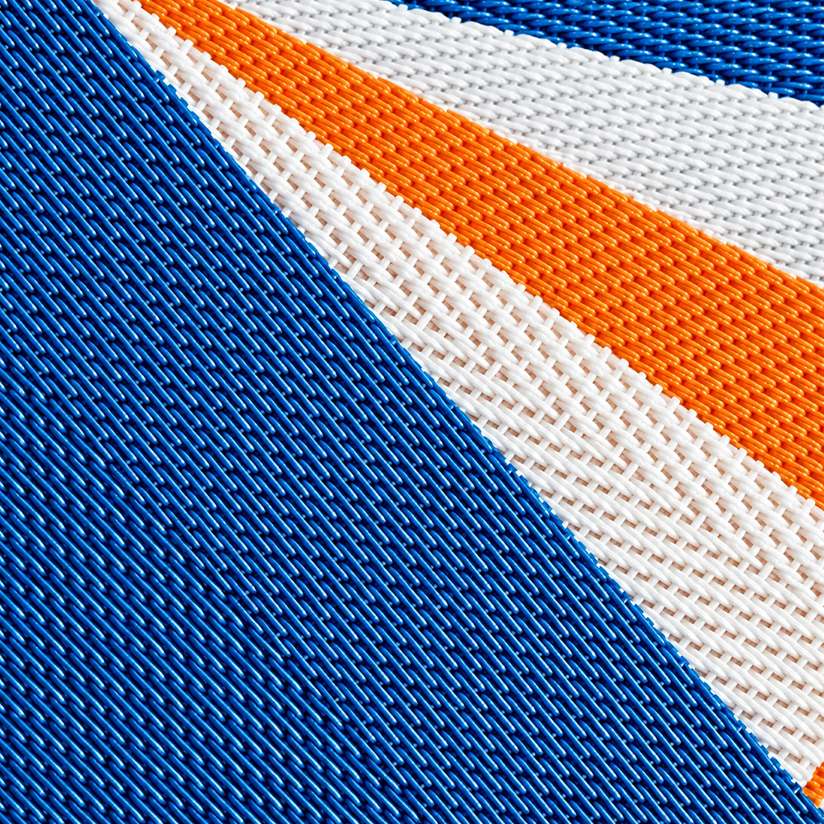
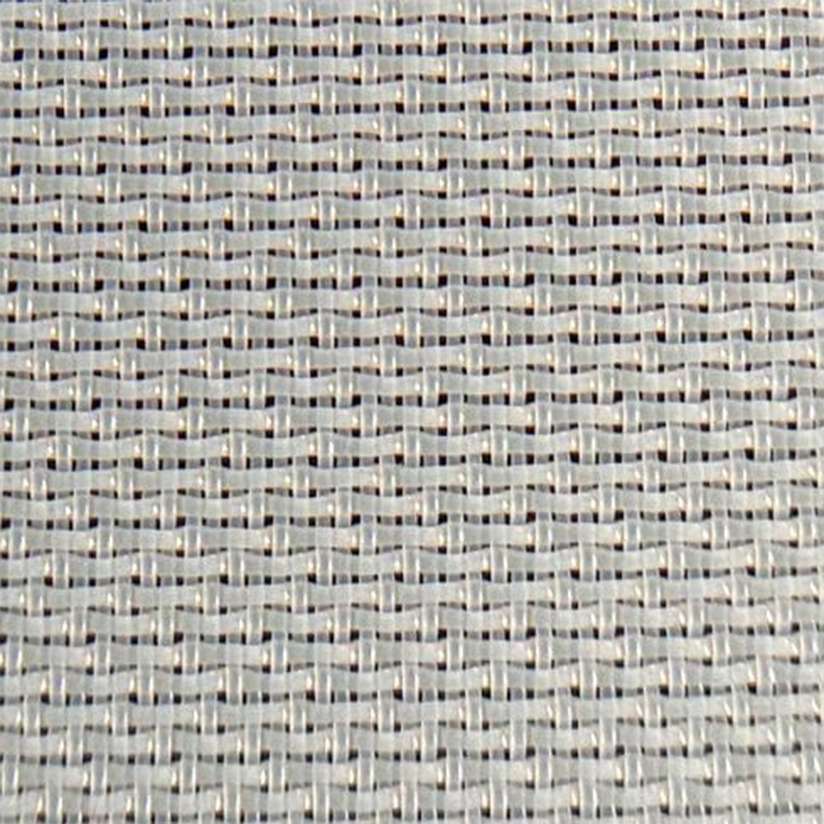
This is where come into play. More than just a support medium, these fabrics actively enhance drying by combining durability, heat resistance, controlled porosity, and dimensional stability. When engineered to fit a mill’s specific processes—like DYOUNG’s tailored solutions—they can transform drying from a costly bottleneck into a competitive advantage.

Drying may look like a routine step, but its impact is felt across the entire production line:
Energy Costs: Slower drying = higher runtime = inflated utility bills.
Throughput: A drying bottleneck delays cutting, sewing, or finishing.
Quality Control: Uneven drying causes shrinkage, brittleness, or discoloration—leading to wasted batches.
Downtime: Worn or poorly designed fabrics force frequent replacements, halting production for hours.
Polyester woven dryer fabrics directly address all these issues by optimizing heat transfer, airflow, durability, and uniformity—but only when they’re properly engineered for the task.
Drying works in two steps: heat evaporates moisture and airflow removes it. Polyester fabrics excel at both.
Heat transfer: A smooth, stable surface ensures maximum contact with dryer cylinders, accelerating evaporation.
Moisture escape: Controlled porosity prevents moisture buildup, avoiding energy-wasting over-drying or quality-reducing under-drying.
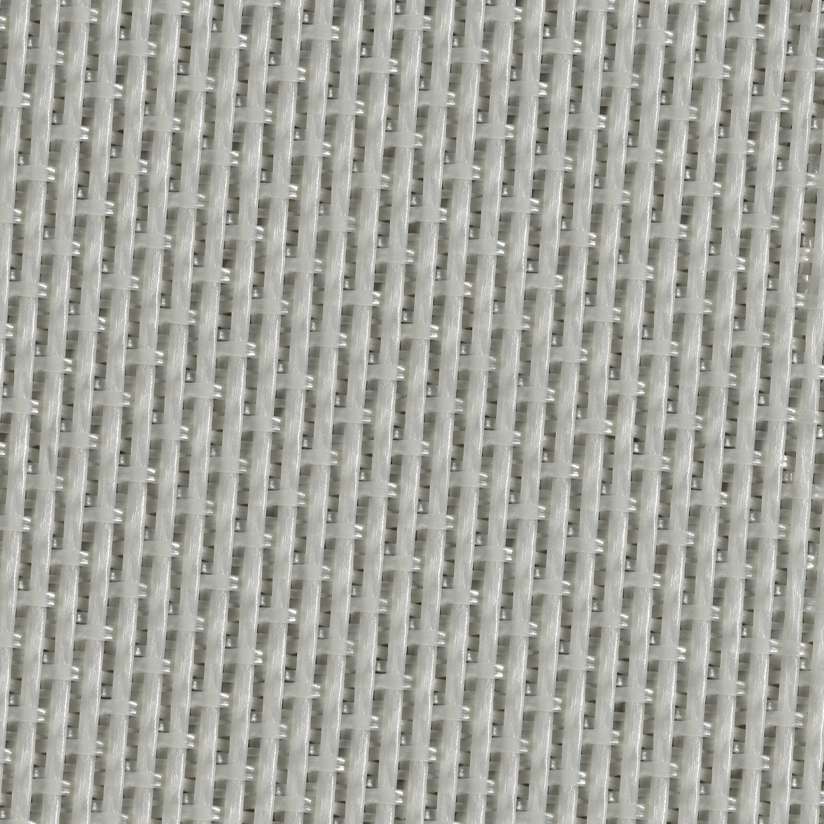
DYOUNG’s flat yarn and double-diameter flat yarn fabrics, originally optimized for demanding paper dryers, now bring clear advantages to textiles. For delicate yet high-value fabrics (like fine linens or sportswear), they enable quick, gentle drying. One mill using DYOUNG’s flat yarn fabrics on cotton reported a 20% reduction in drying time and 15% more daily output, directly lowering energy consumption.
Textile dryers run hot and under tension, with temperatures reaching up to 180°C (356°F). Cotton shrinks and mildews; nylon weakens under heat. Polyester, however, maintains strength and stability.
DYOUNG’s special material woven fabrics raise the bar further, offering:
High temperature resistance for hot, continuous runs.
High wear resistance to withstand constant friction.
Aging resistance for longer fabric lifespans.
For mills producing heavy-duty textiles like canvas or industrial fabrics, this means fewer replacements. One user saw service life extend from 3 months to 6—cutting downtime by 50%.
Uneven moisture levels cause patchy shrinkage, fading, or wrinkles—leading to batch rejections. Polyester’s dimensional stability ensures fabrics retain shape and porosity over time, promoting even drying.
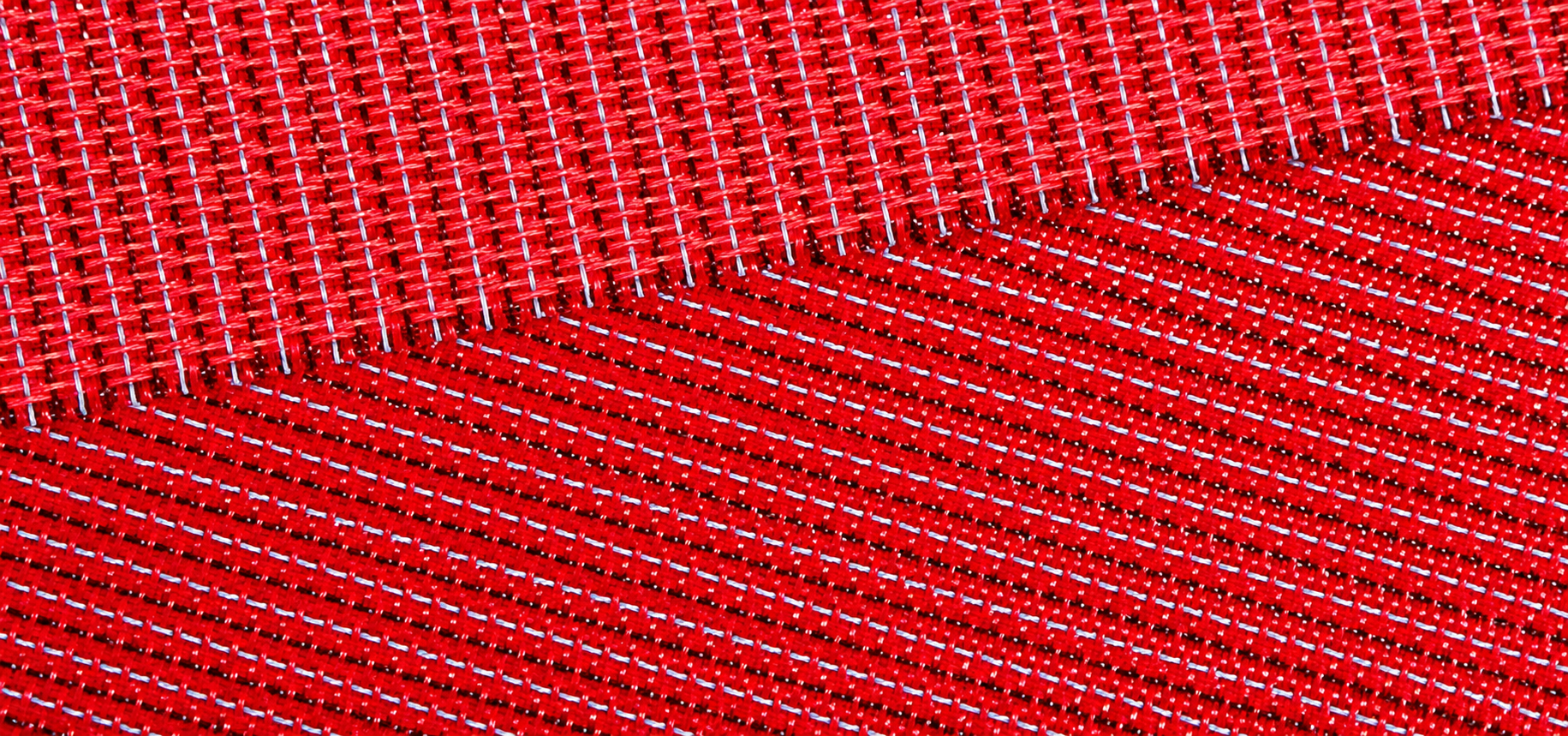
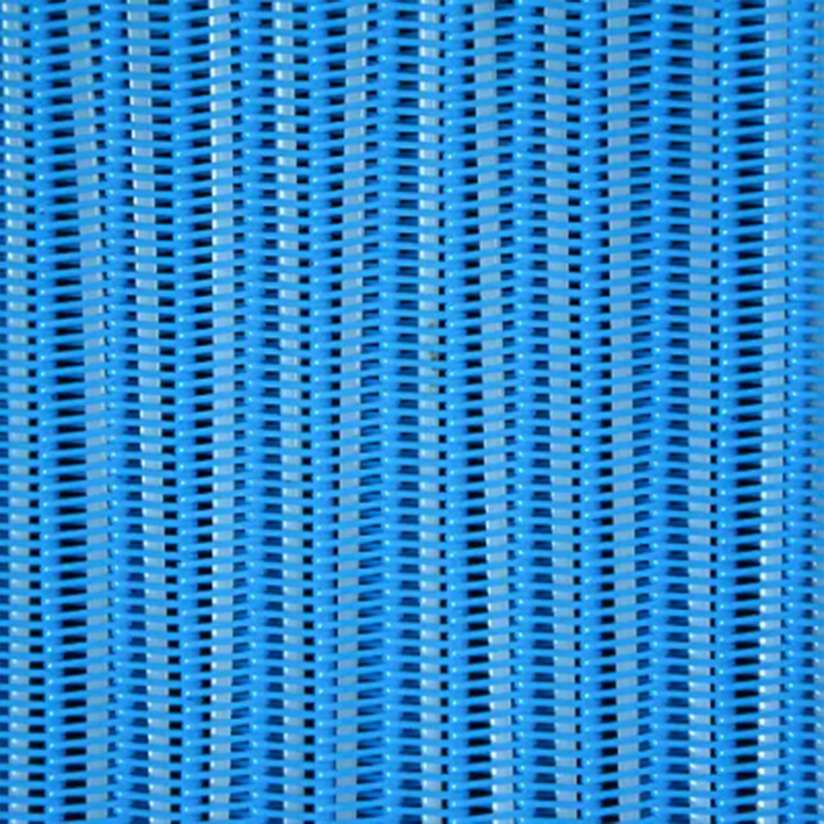
DYOUNG’s three- and four-shed series one-and-a-half-layer fabrics are designed with precise yarn crossing patterns that distribute airflow evenly. This eliminates hotspots and weak spots, ensuring textiles—from fine silks to printed fabrics—dry consistently. For one mill, switching to DYOUNG’s woven dryer fabrics reduced scrap rates from 7% to just 2%.
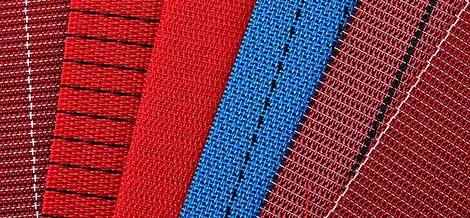
Textile mills rarely work with a single fabric grade. A week may involve delicate silks, heavy denim, and technical textiles. Instead of compromising with generic dryer fabrics, DYOUNG offers tailored solutions:
One-and-a-half-layer fabrics: Ideal for delicate or lightweight textiles (scarves, shirts).
Flat & double-diameter flat yarn fabrics: Best for medium-weight or premium fabrics (sportswear, fashion).
Special material fabrics: Suited for high-heat or heavy-duty operations (canvas, industrial textiles).
This flexibility means mills save on inventory costs, reduce downtime for fabric changes, and ensure consistent efficiency across product lines.
Since 2016, DYOUNG has specialized in polyester mesh belts, filter fabrics, and paper machine clothing—expertise that translates seamlessly into textiles. What sets them apart is not just the product, but the partnership:
No false promises, no exaggeration—just honest solutions.
A dedicated team that assesses your processes (fabric type, heat level, throughput goals).
Tailored fabric recommendations that fit your exact needs.
Their philosophy is simple: “We Mean It, We Make It.” For textile mills, this means reduced costs, improved quality, and higher efficiency. DYOUNG doesn’t just supply dryer fabrics—they deliver measurable improvements in your production.
Polyester woven dryer fabrics may work behind the scenes, but their impact is front and center in textile manufacturing. By cutting energy use, improving throughput, extending equipment life, and ensuring uniform quality, they transform drying from a liability into an efficiency driver.
For mills aiming to reduce waste, lower costs, and boost competitiveness, the right dryer fabric is not optional—it’s essential. With DYOUNG’s versatile, durable, and tailored polyester woven dryer fabrics, efficiency is no longer just a goal—it’s the new standard.