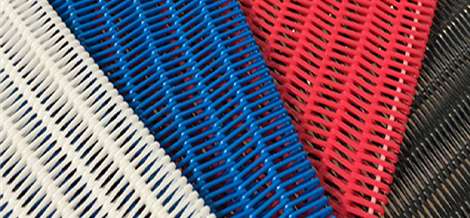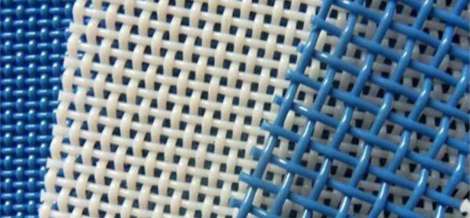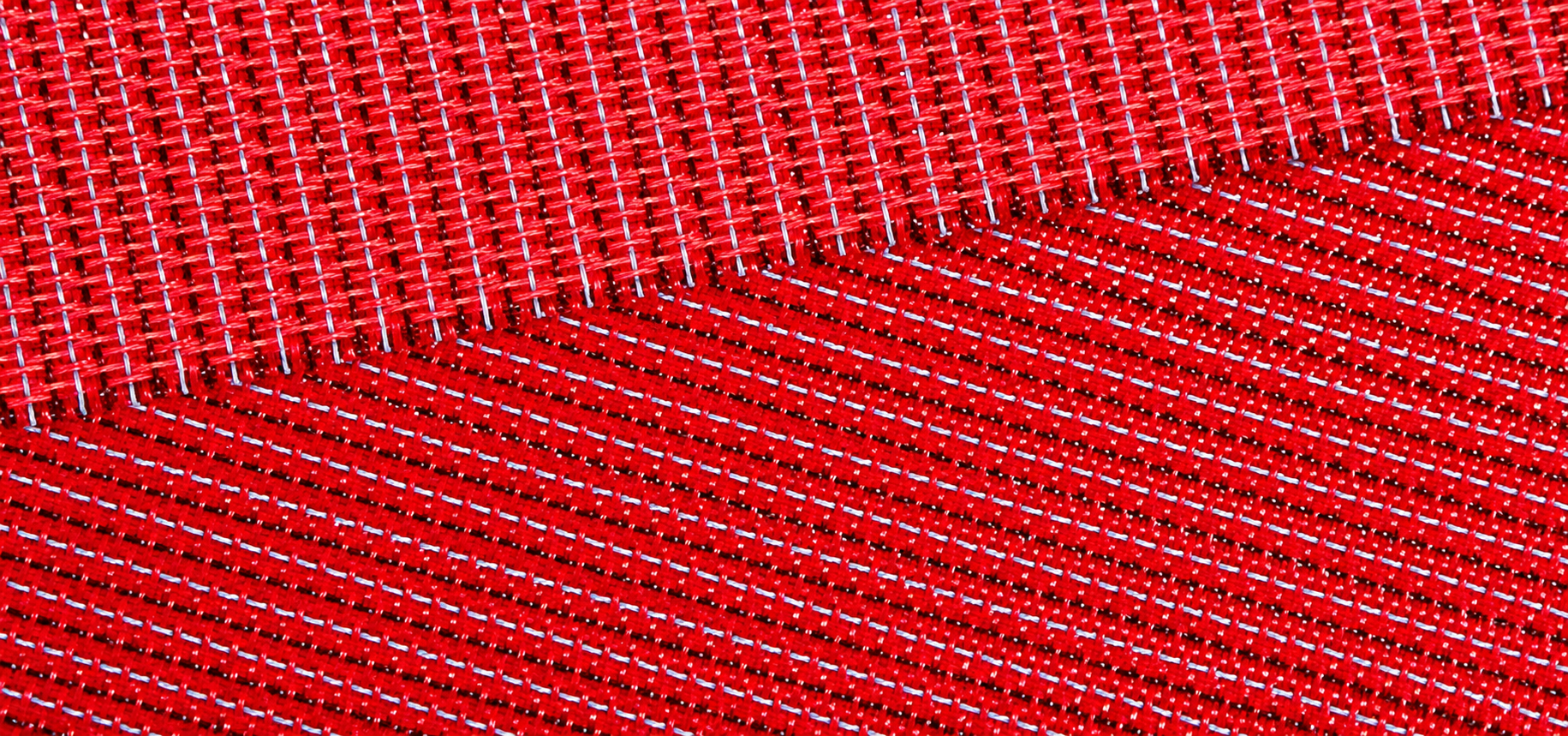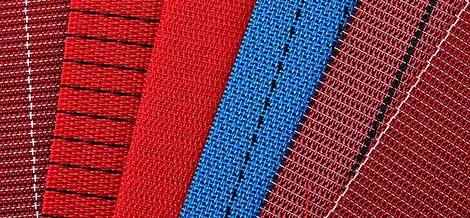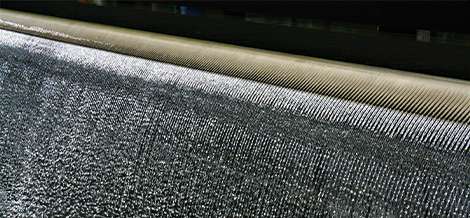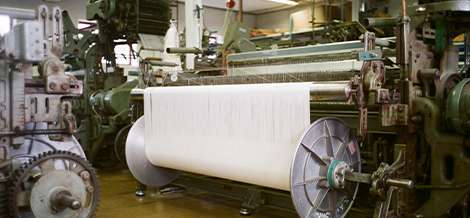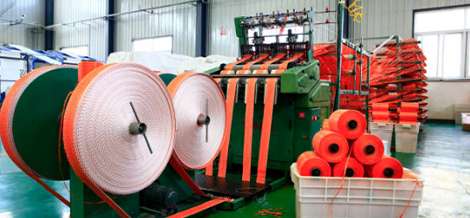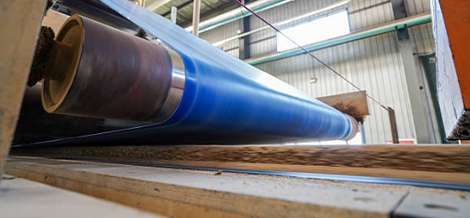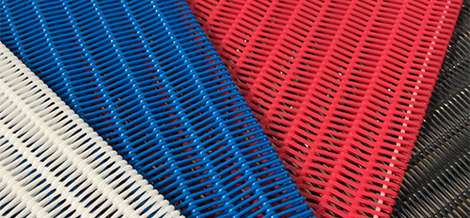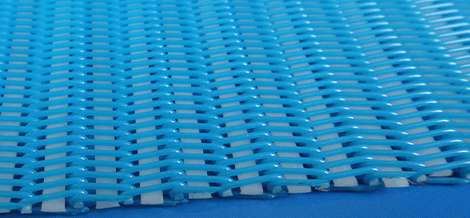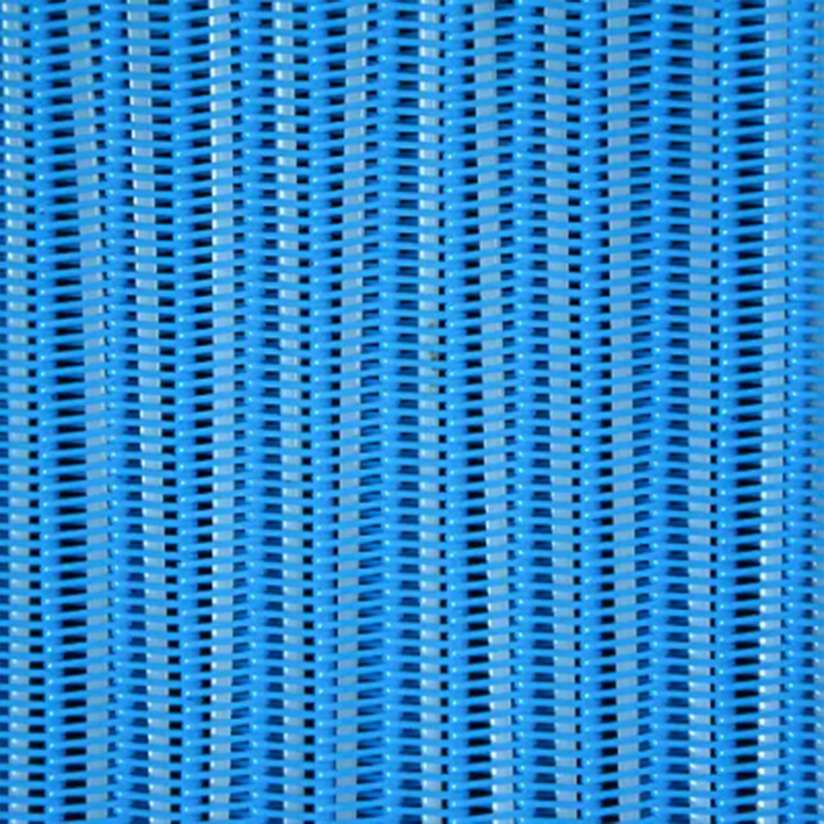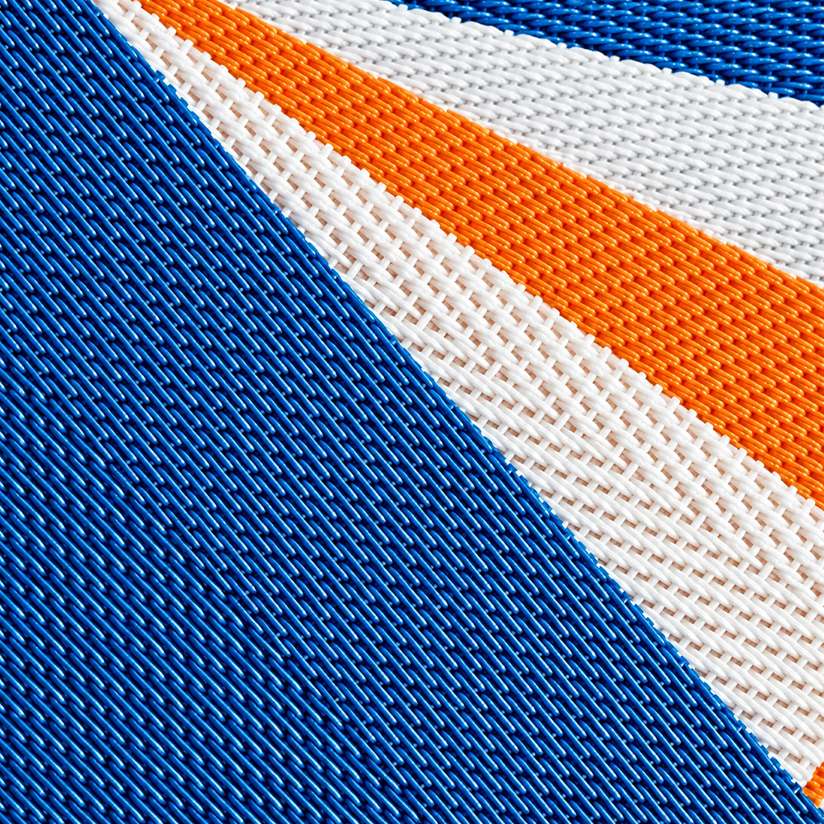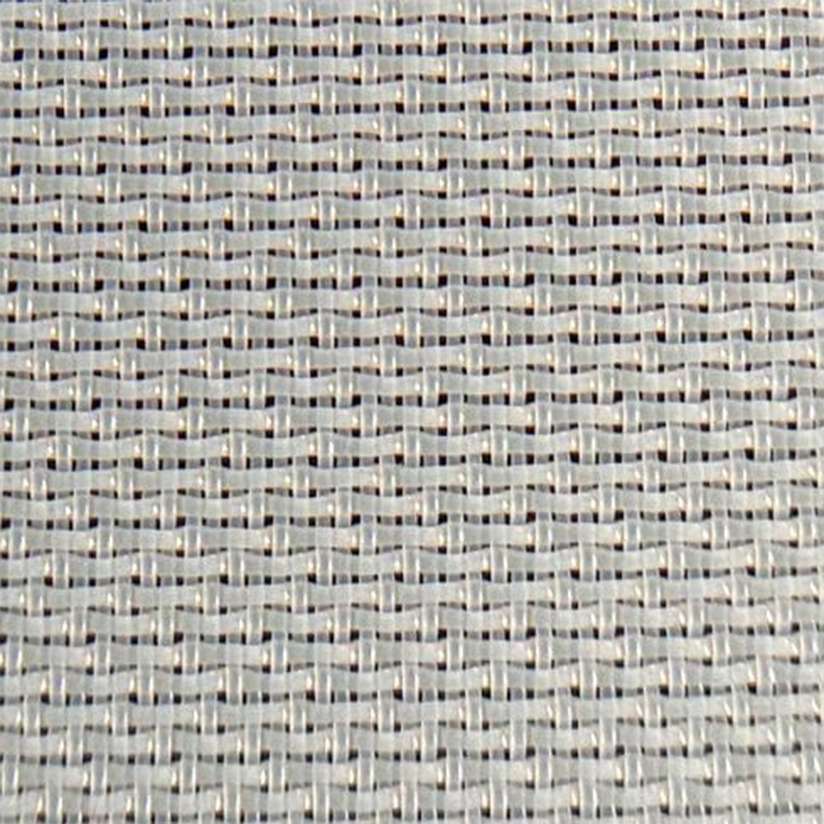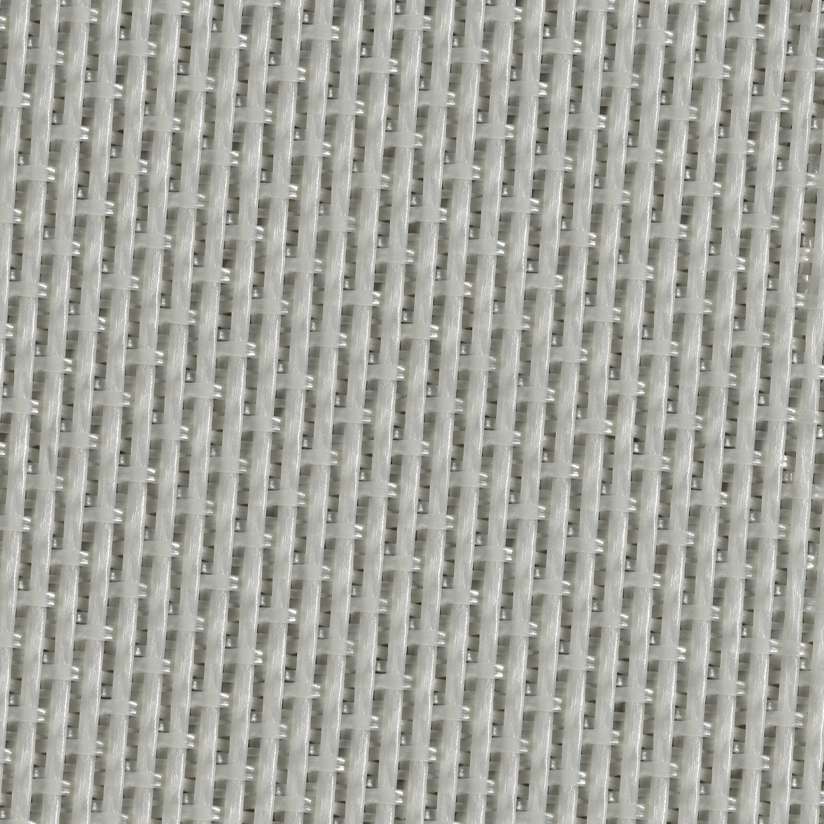

For papermills, selecting the right dryer fabric is a critical decision. The fabric must endure high heat, maintain consistent paper quality, and keep operational costs under control. Polyester woven dryer fabrics have emerged as the go-to solution across the industry. They outperform traditional options like cotton or nylon in durability and stability—but like any material, they come with tradeoffs.
This article explores the advantages and disadvantages of polyester woven dryer fabrics, with a focus on how tailored solutions from DYOUNG can maximize strengths and minimize limitations.

Dryer sections are harsh environments: constant tension, heat up to 150°C (302°F), and cylinder friction. Polyester resists wear, stretching, shrinking, and heat degradation far better than cotton (which shrinks and mildews) or nylon (which weakens at high temperatures).
General advantage: Polyester is wrinkle-resistant, strong, and holds its shape and color over time.
Papermaking advantage: DYOUNG’s special material woven fabrics offer even greater resistance to high temperatures, wear, and aging. Mills running 24/7 often report a 30% longer service life compared to generic polyester fabrics.
Uniform drying is essential for preventing curl, brittle edges, or wrinkles. Polyester fabrics maintain stable air permeability, ensuring even airflow and heat transfer across the paper web. Unlike cotton, polyester repels water, preventing fiber buildup and clogging.
For fine paper and printing paper, DYOUNG’s one-and-a-half-layer fabrics ensure smooth surfaces—vital for ink adhesion.
For high-quality papers, flat yarn and double-diameter flat yarn fabrics handle the wettest webs without surface damage, ensuring consistent drying.
One size rarely fits all. Polyester woven fabrics can be engineered into layered or flat-yarn structures for different needs: from lightweight tissue to heavy packaging.
DYOUNG covers the spectrum with:
One-and-a-half-layer fabrics: Fine, printing, and packaging paper.
Flat & double-diameter flat yarn fabrics: Front dryer cylinders, all high-quality grades.
Special material fabrics: Extreme heat or heavy wear in specialty grades (e.g., coated or thermal paper).
Polyester resists mildew, odors, and moisture absorption. It retains tension and shape better than natural fibers, reducing adjustment needs.
General advantage: Easy to wash, dries quickly, and resists stains.
Papermaking advantage: Less frequent cleaning and fewer shutdowns for fabric maintenance.
Polyester is more expensive upfront than cotton.
Mitigation: When factoring in lifespan (2–3x cotton) and reduced downtime, polyester often saves money long term. DYOUNG’s customers typically see ROI within 6–12 months.
Polyester is less elastic than cotton, so poorly fitted fabrics may cause web tracking or tension problems.
Mitigation: DYOUNG customizes each fabric to exact mill specifications, ensuring precise fit and seamless integration.
Polyester can accumulate static in low humidity, attracting fibers or causing paper tears.
Mitigation: DYOUNG provides optional anti-static treatments and recommends simple humidity adjustments to prevent static issues.
As a synthetic, polyester is less biodegradable and its production relies on fossil fuels. It can also shed microplastics in some contexts.
Mitigation: DYOUNG extends service life to reduce waste and offers recycling/take-back programs to align with mills’ sustainability goals.
For apparel or outdoor uses, polyester can trap heat, moisture, and odors. While not a direct issue in papermaking, it’s a factor in polyester’s environmental and comfort perception.
Founded in 2016, DYOUNG specializes in paper machine clothing, polyester mesh belts, and filtration fabrics. Their guiding principle—“We Mean It, We Make It”—means no false claims, no overpromises, just practical solutions tailored to mill needs.
Tailored Solutions: Matching fabric type to grade, machine, and operating conditions.
Honest Guidance: Helping mills weigh polyester’s pros and cons for their unique situation.
Long-Term Partnership: Support from design through installation, troubleshooting, and performance optimization.
Polyester woven dryer fabrics deliver durability, efficiency, and paper quality that natural fibers can’t match. Their drawbacks—higher initial cost, static, or environmental concerns—can be managed with the right supplier and design.
For papermills, DYOUNG doesn’t just provide fabrics—they provide solutions tailored to your success, ensuring polyester works for your mill, not against it. Because in papermaking, “one-size-fits-all” never works, but “engineered for your needs” always does.