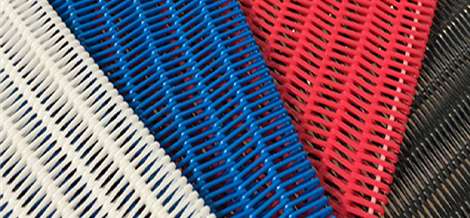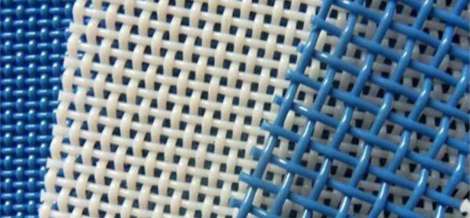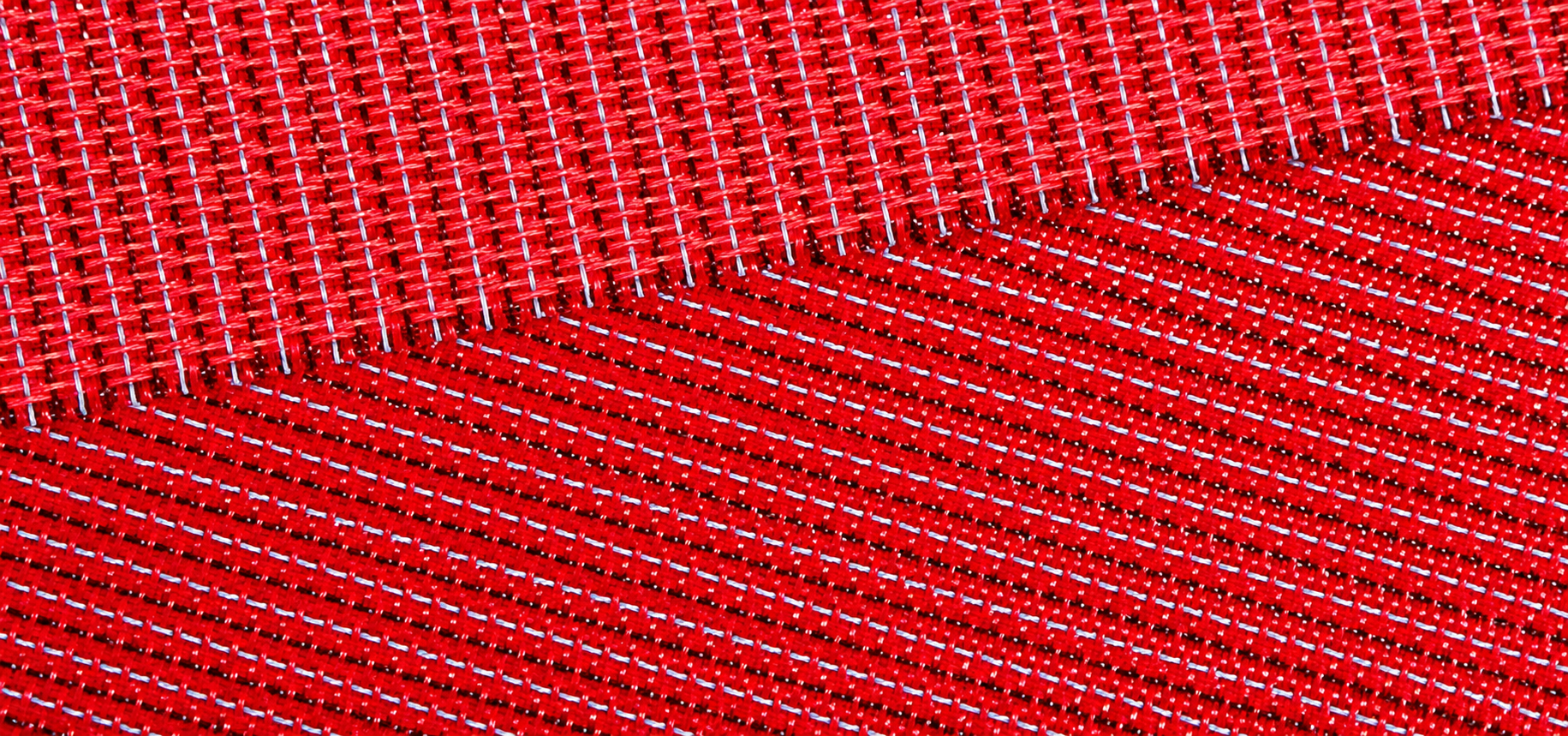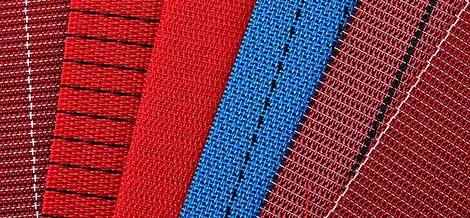

| Type | Weave Design | Main Applications | Key Advantages |
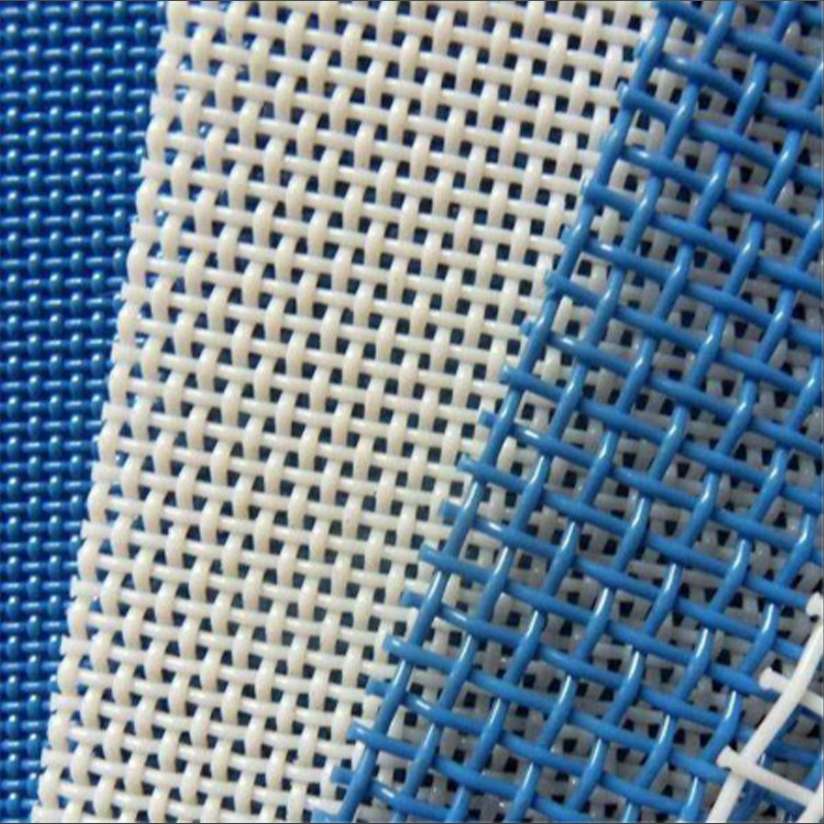
| Two-shelf (1 up, 1 down) | Simple single-layer | Sewage treatment plants, sludge dewatering machines | Simple structure, high fiber support, square mesh, excellent drainage, easy threading |
| Three-shelf (1 up, 2 down) | Single-layer | Sludge dewatering, pulp board production, pulp washers, bleaching machines | Good air permeability, excellent dewatering, wear-resistant, easy cleaning |
| Four-shelf (1 up, 3 down) | Warp-based weave | General papermaking machines | Controlled wire marks, moderate retention, reliable dewatering performance |
| Five-shelf (1 up, 4 down) | Single-layer | Kraft paper, tissue paper, writing paper, printing paper, newsprint | Higher dewatering efficiency, strong fiber support, easy threading, long service life |
| Eight-shelf | Advanced warp weave | High-basis weight paper and board production | Wear-resistant surface, improved dewatering, long lifespan |




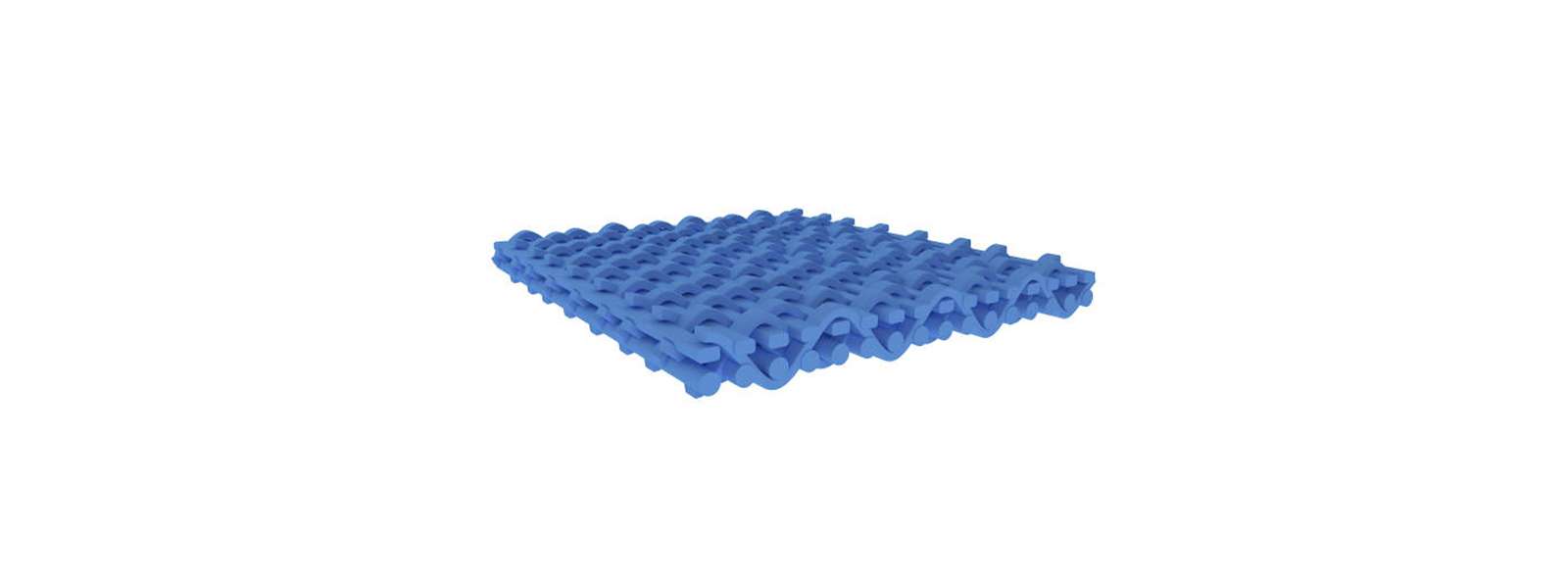

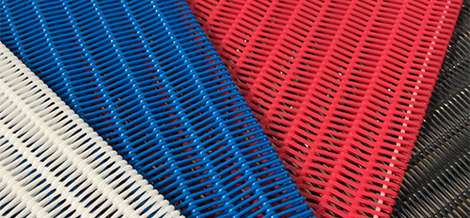
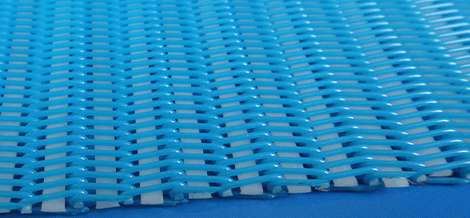
Single-layer fabrics are simple in structure, cost-effective, and easy to install, while 1.5 layer fabrics offer higher fiber support, better sheet formation, and longer service life. The 1.5 layer design is ideal for paper grades that demand better surface quality and durability.
The shelf design depends on your application and dewatering needs. For example, 2-shelf is common in sludge dewatering, 4-shelf in papermaking machines, and 5-shelf or above for kraft paper, tissue, and writing papers requiring high dewatering performance. DYOUNG engineers provide consultation to match the right fabric to your machine and process.
Service life depends on paper machine speed, operating conditions, and cleaning methods. Generally, single-layer fabrics last 30–60 days, while 1.5 and double-layer fabrics can last longer due to their wear-resistant structures.
Yes. DYOUNG forming fabrics are made from high-quality polyester yarns with excellent resistance to heat, hydrolysis, and chemicals. For special requirements (e.g., acidic or alkaline environments), we offer customized yarn materials and coatings.
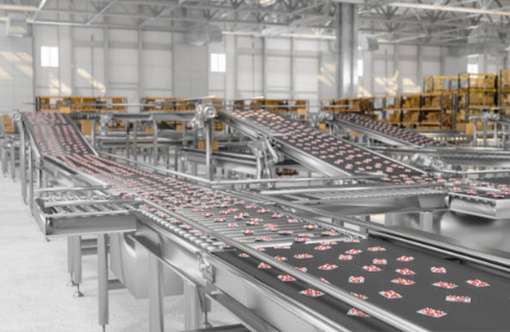
Apart from papermaking, these fabrics are used in pulp washing, sludge dewatering, straw pulp board, black liquor extraction, mineral processing, sugar production, ceramics, coal washing, and food processing.